

When you sense that God is moving in your life, the next step is not always obvious. You may feel convicted about a habit, drawn toward serving someone or unsettled about a decision you have postponed. Alongside hope, there may be fear: What if you misunderstand? What if obedience costs more than you expected?
You do not need to interpret every coincidence or map out your entire future. A faithful response begins with what God has already revealed in Scripture, then grows through prayer, wise counsel and practical obedience.
This guide focuses on how to respond, rather than collecting signs. The aim is to help you take a grounded next step without rushing ahead or becoming stuck in uncertainty.
How to respond when God is moving
Begin with prayer, not a prediction
Before deciding what a situation means, bring it honestly to God. Name what you are noticing, what you want and what you fear. Prayer is not a technique for securing your preferred outcome. It is a way of placing your life before the Father and becoming willing to follow Him.
James 1:5 invites believers who lack wisdom to ask God. That gives you permission to pray plainly: “Lord, help me understand what is faithful here. Show me where my desires are clouding my judgment.”
When God is moving, your first responsibility is not to predict the outcome but to become attentive and willing.
Read a passage in context rather than searching for a single verse that seems to approve your plan. For example, Philippians 2:12-13 connects the believer’s active response with God’s work within them. His work does not make obedience unnecessary; it makes faithful action possible.
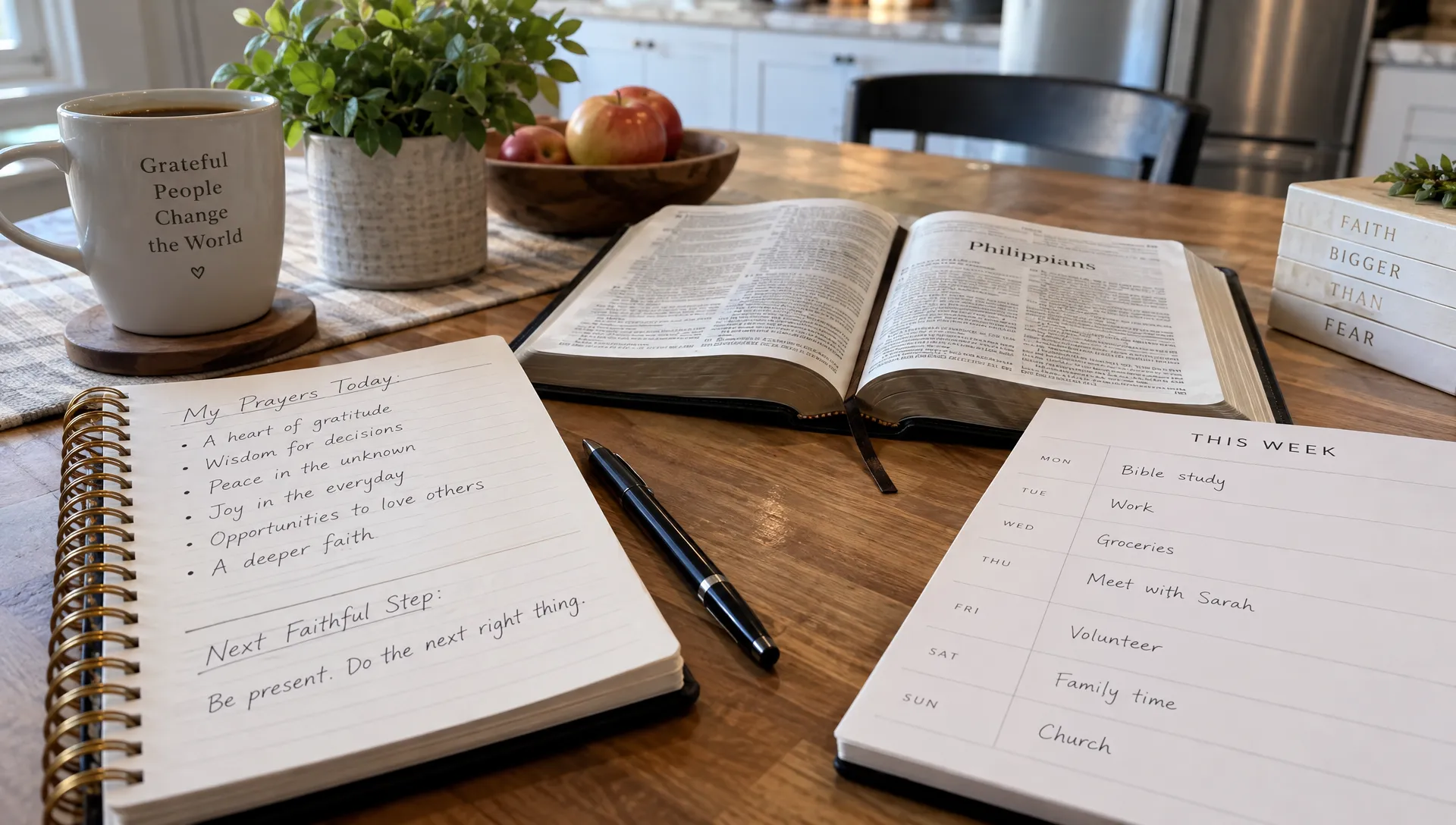
Try writing down three things: what happened, what you think it might mean and what Scripture clearly teaches. Keeping those separate helps prevent an interpretation from becoming an unquestionable claim about God’s will.
Test impressions against Scripture and wise counsel
A strong feeling deserves attention, but intensity is not the same as authority. Relief, excitement and anxiety can all accompany important decisions. None of them, by itself, proves that a particular choice comes from God.
Romans 12:2 connects discernment with a renewed mind. First John 4:1 also warns believers not to accept every spiritual claim without testing it. These passages encourage thoughtful discernment rather than unquestioning confidence in an impression.
If you believe God is moving through an opportunity, ask whether your response would agree with His revealed character and commands.
An opportunity that requires dishonesty, exploitation or concealed wrongdoing does not become faithful because it feels significant. Likewise, a desire to serve should not excuse neglecting people who already depend on you.
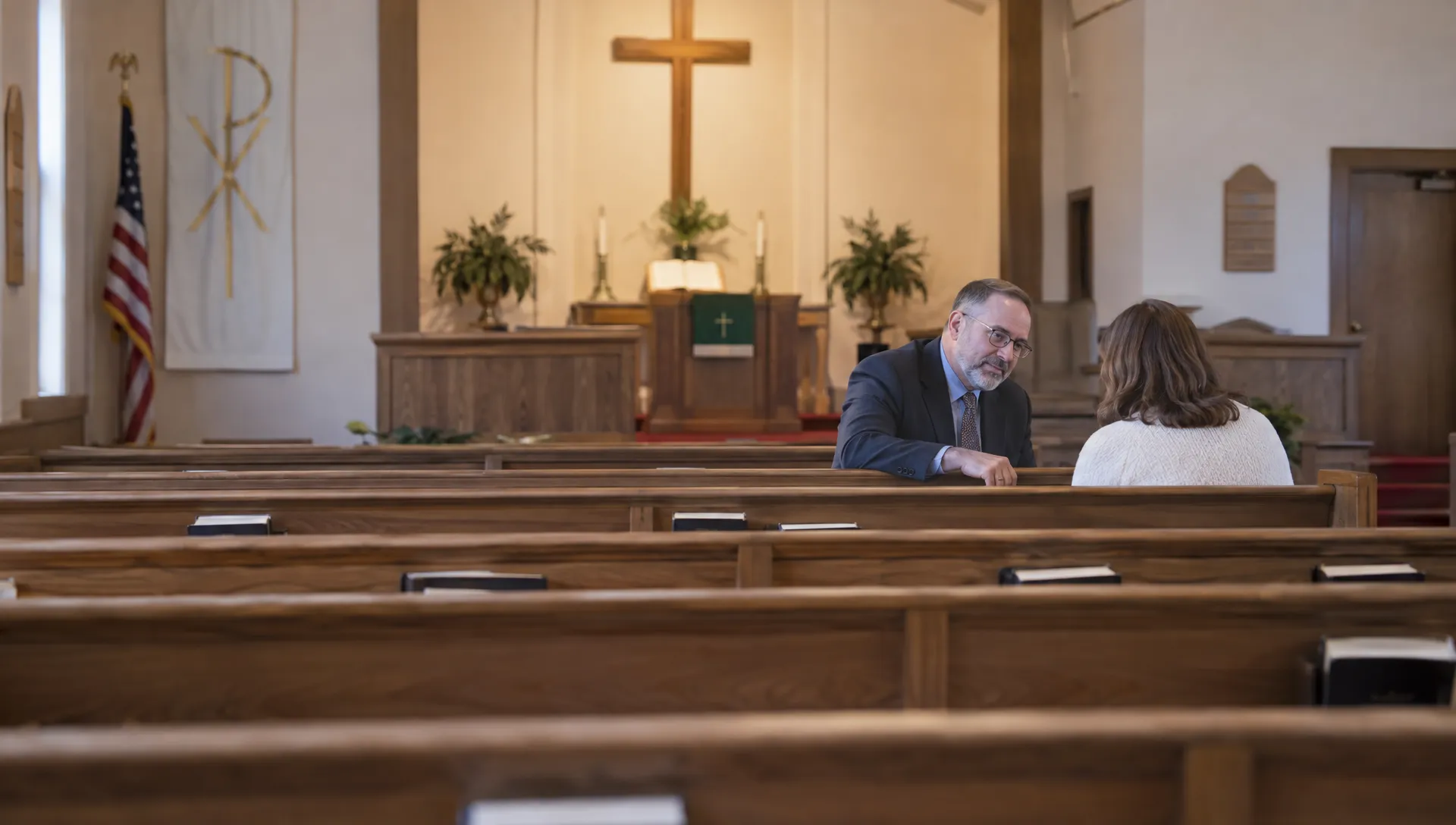
Talk with a mature Christian who knows your circumstances and can disagree with you honestly. Instead of asking, “Will you confirm that this is God?” ask, “What am I overlooking? Does this fit Scripture? What responsibilities should shape my decision?”
For a fuller approach to listening, Kingdom Signals’ guide to hearing God’s voice in daily life explores Scripture, prayer and counsel. The goal is not perfect certainty about every detail, but a response that can withstand careful examination.
Take the next clear step of obedience
Sometimes uncertainty about a large decision becomes a reason to postpone a smaller responsibility that is already clear. You may not know whether to change jobs, but you know you should stop exaggerating your achievements. You may not know what a relationship will become, but you know an apology is overdue.
James 1:22 calls believers to put the word into practice, not merely listen to it. This shifts the question from “What might happen next?” to “What can I faithfully do now?”
Responding when God is moving often begins with a modest act of obedience rather than a dramatic life change.
Choose an action you can name and carry out. Contact the person you need to apologize to, provided doing so is safe and appropriate. Arrange a conversation with your pastor. Investigate a service opportunity before promising your availability. Correct an inaccurate report at work.
Small does not mean insignificant. Concrete obedience reveals whether you are willing to follow God when the response is ordinary, uncomfortable or unnoticed.
For major decisions, distinguish preparation from commitment. Researching a move is different from signing a lease. Learning about a ministry is different from leaving your employment. You can make progress without treating every early impression as a final instruction.
Surrender the outcome without abandoning responsibility
Obedience does not give you control over what happens next. A sincere apology may not restore a friendship immediately. An application may be rejected. A decision made with prayer and counsel may still involve difficulty.
Proverbs 3:5-6 calls believers to trust the Lord rather than make their own understanding the final authority. That trust is compatible with gathering information, considering consequences and making responsible plans.
Trusting that God is moving does not require treating every setback as a hidden message or every success as His approval.
Avoid turning your preferred outcome into a test of God’s faithfulness. “If this is really from God, it must happen quickly” adds a condition Scripture has not promised. God’s care for you is not measured by how smoothly a particular plan unfolds.
You can pray for an outcome while remaining willing to receive a different one. That is not indifference. It is an acknowledgment that your knowledge is limited and God is not obligated to follow your timetable.
If uncertainty is becoming consuming, these reflections on how faith steadies you in uncertain times can help you practice trust without pretending fear has disappeared.
Bring your response into ordinary responsibilities
Spiritual attentiveness should affect how you live at home, manage money and treat other people. It should not create a separate spiritual project that leaves everyday responsibilities untouched.
Consider what your next step will require. If you want to serve regularly, make space in your schedule and discuss it with anyone affected. If you feel convicted about generosity, review your budget before making a promise you cannot keep. If you need rest, address the habits and commitments that continually consume it.
A belief that God is moving should deepen your care for ordinary responsibilities, not become permission to avoid them.
Generosity can begin with what you already own. Sort a crowded closet, donate clothing in good condition to an organization that accepts it and care for what you keep. Where storage is limited, MORALVE’s space-saving closet hangers offer a practical organizing option. No purchase is necessary to respond faithfully; the point is thoughtful stewardship rather than accumulating more.
The same principle applies beyond possessions. Making room for prayer may mean changing your morning routine. Making room for service may mean declining an optional commitment. Forgiveness may involve prayer alongside appropriate boundaries.
Do not mistake a more organized life for spiritual maturity. Organization can support obedience, but love, honesty and faithfulness matter more than an impressive routine.
Stay rooted when the initial excitement fades
A meaningful moment can awaken your attention, but feelings rarely remain at the same intensity. When the excitement fades, you may wonder whether you misunderstood everything.
John 15:4-5 directs Jesus’ followers to remain in Him. The emphasis is ongoing dependence, not the constant pursuit of extraordinary experiences. Continue reading Scripture, praying and participating in the life of your church even when the season feels uneventful.
Remember that God is moving in ways that are not always immediately visible, including the patient formation of your character.
Look for the kind of growth described in Galatians 5:22-23: love, joy, peace, patience, kindness, goodness, faithfulness, gentleness and self-control. These qualities provide a better basis for reflection than the number of striking coincidences you notice.
Review your response after some time. Are you becoming more truthful, teachable and loving? Have trusted people raised concerns you need to address? Is your plan sustainable alongside your responsibilities?
Revising a plan after receiving new information is not necessarily unbelief. Humility includes admitting that you may have understood part of a situation incorrectly while continuing to trust God.
A simple response plan for the next seven days
You do not need to overhaul your life this week. Choose one concern or opportunity and work through it deliberately.
- Name it: Write down what you are noticing without claiming more certainty than you have.
- Examine it: Read relevant Scripture in context and identify any clear command or responsibility.
- Discuss it: Ask a trusted believer for honest counsel, especially if the decision affects others.
- Act on it: Take one proportionate step, then set a time to review what you learn.
Keep the plan small enough to practice. A completed conversation or a corrected habit is more useful than a sweeping promise with no follow-through. Respect genuine deadlines, but do not manufacture urgency simply because an impression feels powerful.
A prayer for a faithful response
Father, thank You for working in my life. Help me distinguish Your truth from my assumptions. Give me wisdom to listen, humility to receive correction and courage to do what You have made clear. Keep me from using spiritual language to excuse impatience or avoid responsibility. When God is moving, teach me to respond with love and obedience rather than a need to control the outcome. Help me trust You with what I cannot yet understand. Amen.
Frequently asked questions
How can I tell whether an impression is from God or my own desire? Start with Scripture, then consider your motives, circumstances and the counsel of mature believers. A strong feeling or an unexpected coincidence is not enough by itself. You may need time to distinguish a worthwhile desire from a specific direction.
Does obedience mean I should act immediately? Clear commands such as telling the truth should not be postponed. Major choices often require preparation and counsel. Faith does not require skipping due diligence, ignoring safety or making commitments you cannot responsibly keep.
What if I feel afraid to take the next step? Fear does not automatically mean the step is wrong. Identify whether it reflects discomfort, a legitimate risk or an unresolved question. Pray, seek support and choose a proportionate action. Persistent or overwhelming anxiety may also warrant professional care.
What if nothing changes after I respond? Immediate results are not the measure of faithful obedience. Continue practicing what Scripture makes clear and review your plans with wise counsel. Do not turn a delayed outcome into proof that God has abandoned you or that you failed to discover a hidden instruction.
Continue with grounded encouragement
If you believe God is moving, choose one faithful response today: a prayer, an honest conversation or a responsibility you have delayed. Leave the larger outcome in His hands.
For ongoing biblical reflection, visit Kingdom Signals to explore the free guide and subscribe to the weekly newsletter.