

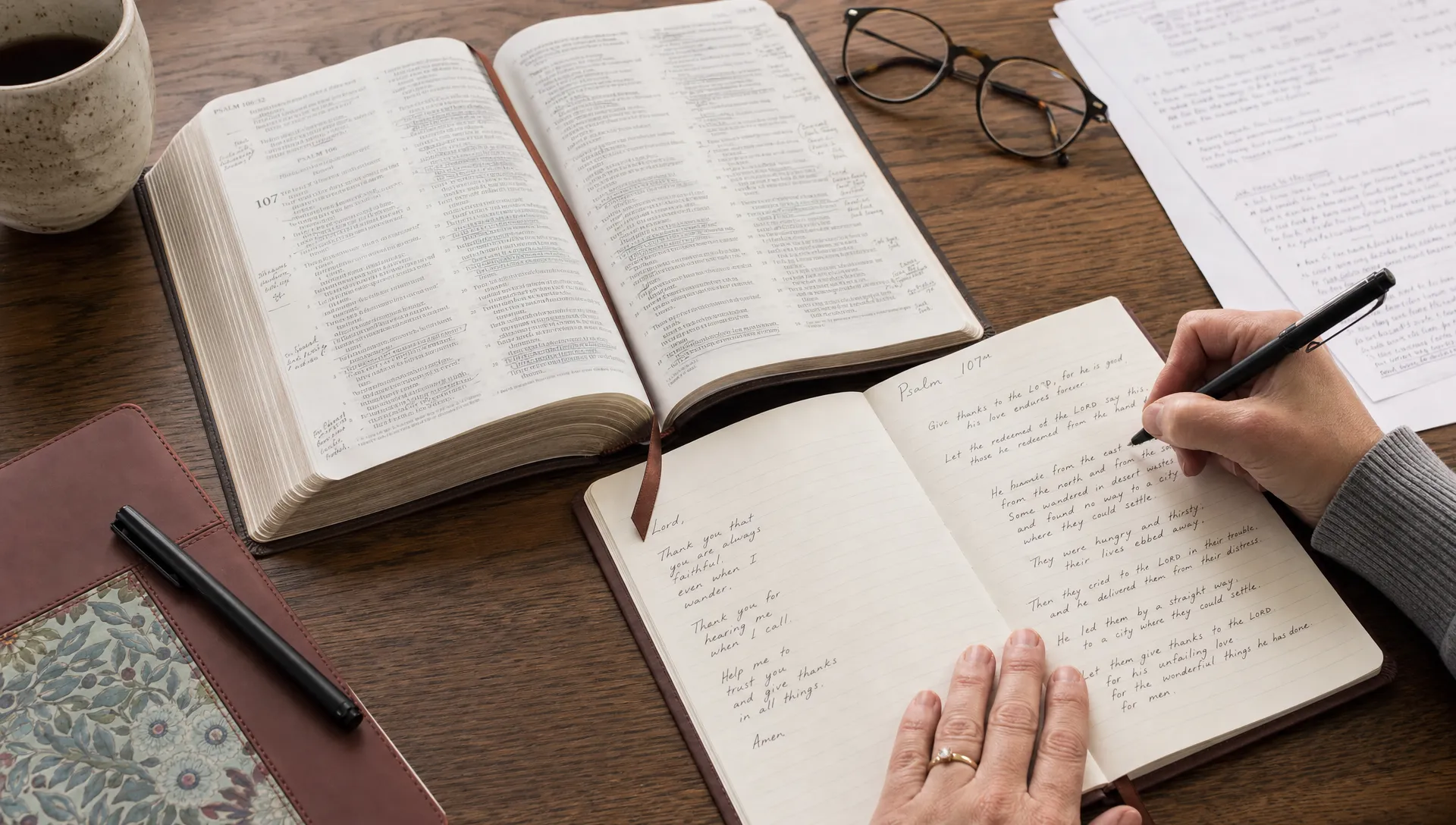
The Bible was never meant to be a book you admire from a distance. If you want Scripture to form your thoughts, choices and habits, you need a life Bible approach that brings God’s Word into the ordinary places where you live, speak, work, forgive, spend and decide.
That kind of change does not happen by accident. It also does not happen by treating Bible reading like a spiritual performance metric. Scripture shapes us as we return to it with humility, listen for God’s character and respond with obedience in the places we already inhabit.
Start with formation, not completion
Reading through the Bible is a worthy goal, but finishing a plan is not the same as being formed by the Word. Jesus warned religious leaders who searched the Scriptures yet refused to come to Him for life (John 5:39-40). The issue was not that they read too much. The issue was that their reading did not lead them to surrender.
A Bible-shaped life begins with a better question than “How much did I read today?” Ask, “What is God revealing about Himself, and how is He inviting me to respond?” That question shifts Scripture from information gathering to discipleship.
Romans 12:2 says we are transformed by the renewing of our minds. This renewal is not only about learning correct ideas, though truth matters deeply. It is about having our desires, assumptions, priorities and reactions retrained by the living God.
Build a life Bible rhythm, not just a reading streak
A reading streak can help you stay consistent, but it cannot carry the whole weight of spiritual growth. A life Bible rhythm is less about checking a box and more about creating repeated openings for Scripture to correct, comfort and guide you.
For many believers, a simple rhythm works better than an ambitious plan that collapses after two weeks. Read a smaller portion. Sit with it longer. Pray it honestly. Carry one phrase into the day.
| Practice | Simple question | Spiritual fruit |
|---|---|---|
| Read | What does this passage say about God? | Clearer worship |
| Reflect | What does this expose in me? | Honest repentance |
| Pray | How should I answer God today? | Deeper communion |
| Obey | What one step can I take? | Faith made visible |
This kind of rhythm is not rushed. It treats Scripture as a place of meeting with God, not a task to escape. Over time, a life Bible rhythm trains you to carry God’s Word beyond your quiet time and into the rest of your day.
Let Scripture become your first interpreter of life
Everyone interprets life through something. Some interpret it through fear, past wounds, social media, family expectations, political outrage or personal ambition. The Christian life is a continual reordering of those lenses under the authority of God’s Word.
When a conflict happens, Scripture teaches you to ask about humility, truth and love before asking how to win. When money feels tight, Scripture teaches trust, stewardship and generosity before panic. When success arrives, Scripture teaches gratitude and dependence before pride.
This does not mean you quote a verse at every problem without wisdom or compassion. It means the Bible becomes the deepest voice shaping how you name reality. If you want help discerning God’s guidance without drifting into confusion or superstition, Kingdom Signals has a helpful reflection on hearing God’s voice in daily life.
A life Bible habit grows when Scripture becomes the first place you return, not the last place you consult after anxiety has already taken over.
Read slowly enough to obey
James 1:22 says, “Be doers of the word, and not hearers only, deceiving yourselves.” The danger is not merely ignorance. It is exposure without obedience. We can agree with a passage, underline it, share it online and still resist the very response God is asking from us.
Slow reading helps because obedience often hides in details we miss when we skim. A command to forgive may expose a specific grudge. A warning about the tongue may bring a recent conversation to mind. A promise about God’s provision may confront the secret belief that you must secure everything alone.
Try ending your reading with one concrete prayer: “Lord, what would faithfulness look like today?” Then name a real action. Send the apology. Refuse the dishonest shortcut. Speak encouragement. Turn off the source of temptation. Give generously. Rest without guilt.
This life Bible practice keeps Scripture from becoming abstract. God’s Word shapes your life as the Spirit presses truth into actual decisions.

Let the Bible rename you before the world labels you
Much of daily life is shaped by labels. People are called successful or unsuccessful, attractive or invisible, useful or difficult, spiritual or failing. Even physical items carry labels that tell us origin, purpose and care instructions, from handmade goods to custom woven labels sewn into clothing.
Scripture speaks a deeper word over the believer. In Christ, you are not finally defined by your worst sin, your strongest fear, your family story, your bank account or your public image. You are called beloved, redeemed, forgiven, chosen and sent.
This is not positive thinking with Bible verses attached. It is identity received from God. When Scripture names you, it also trains you to live from that name. A forgiven person learns to confess instead of hide. A beloved child learns to pray instead of perform. A sent disciple learns to serve instead of simply consume.
A life Bible identity is formed as God’s Word becomes more authoritative than the labels you inherited or the labels you placed on yourself. If that idea feels connected to the deeper question of trust, you may appreciate this study on what biblical faith really means.
Bring Scripture into relationships and decisions
The Bible shapes your life most clearly where your faith costs you something. It is one thing to read about patience. It is another thing to practice patience with a child, spouse, coworker or church member when you are tired. It is one thing to believe God owns everything. It is another thing to make financial decisions that reflect stewardship rather than fear.
Start bringing Scripture into ordinary decision points. Before responding to a harsh message, remember Proverbs on gentle words and Ephesians on speech that gives grace. Before making a purchase, ask whether contentment or comparison is driving you. Before joining gossip, remember that every person bears God’s image and every careless word matters.
None of this makes life less practical. It makes faith more practical. Scripture is not only for sermons and crises. It belongs in kitchens, meetings, errands, budgets, friendships, parenting and private thoughts. Kingdom Signals explores this same ordinary discipleship in an article on how living faith changes ordinary days.
Practice Bible-shaped repentance
Repentance is not self-hatred. It is grace-filled agreement with God about what is true. When the Bible exposes sin, it is not trying to crush you. It is inviting you out of slavery and back into fellowship.
Second Timothy 3:16-17 says Scripture is useful for teaching, reproof, correction and training in righteousness. Correction is part of God’s kindness. A doctor who identifies an infection is not your enemy. A passage that exposes pride, lust, greed, bitterness or unbelief is doing holy surgery.
The key is to let conviction move you toward God rather than away from Him. Shame says, “Hide until you are better.” The gospel says, “Come into the light because Christ is merciful.” Repentance may include confession to God, reconciliation with another person, accountability, changed habits or renewed dependence on the Holy Spirit.
A life Bible pattern will always include repentance because Scripture is not only there to affirm what we already think. It lovingly confronts what is killing us.
Stay rooted when change feels slow
Spiritual formation usually feels slower than we prefer. You may read faithfully for weeks and still feel impatient, anxious or easily distracted. Do not assume nothing is happening. Roots grow underground before fruit appears on branches.
Psalm 1 describes the blessed person as a tree planted by streams of water, yielding fruit in season. Trees do not panic because fruit is seasonal. They remain planted. In the same way, believers keep returning to Scripture, prayer, worship, fellowship and obedience even when growth feels quiet.
There will be days when the Bible comforts you immediately. There will be days when it confronts you. There will also be days when you feel very little and still choose to sit under the Word because God is worthy. Faithfulness in those hidden moments matters.
A life Bible way of living is not built in one emotional breakthrough. It is built through repeated surrender to the God who speaks, forms and keeps His people.
Frequently Asked Questions
How long should I read the Bible each day? Start with a pace you can practice consistently. Ten attentive minutes with prayer and obedience is better than an hour of distracted reading done only out of guilt.
What if I do not understand what I read? Begin with clearer books such as Mark, John, Philippians, James or the Psalms. Read the passage in context, look for what it reveals about God and ask a mature believer or pastor when you need help.
How do I know the Bible is actually shaping my life? Look for growing humility, quicker repentance, deeper love for God, wiser speech, greater patience and more concrete obedience. The fruit may be gradual, but it will begin to touch real relationships and choices.
Should I follow a Bible reading plan? A plan can be very helpful, especially if you struggle with consistency. Just remember that the goal is not merely completion. The goal is communion with God and transformation into Christlikeness.
Keep letting Scripture form your everyday faith
The Bible shapes your life as you bring your real self before the real God, day after day. Do not wait until your schedule is perfect, your motives are flawless or your understanding is complete. Open the Word, listen humbly and take the next faithful step.
If you want weekly biblical insight and practical encouragement for ordinary discipleship, consider subscribing to the Kingdom Signals newsletter and receiving the free guide offered through the site. Let Scripture keep training your attention toward the King and His Kingdom.